Category: Training

  • Community Health Assistant Jobs in Kenya: A Growing Career Path in Grassroots Healthcare

    Community Health Assistant Jobs in Kenya: A Growing Career Path in Grassroots Healthcare

    Kenya’s healthcare system relies heavily on community-level workers who bridge the gap between hospitals and the households they serve. Among these roles, the Community Health Assistant (CHA) has become one of the most important — and increasingly formalized — positions in the country’s public health structure. If you’re considering a career in this field, here’s what you need to know about the role, the qualifications required, and where the opportunities lie.

    What Does a Community Health Assistant Do?

    A Community Health Assistant works at the frontline of Kenya’s health system, usually attached to a dispensary, health center, or sub-county health office. Their job is to supervise and support Community Health Promoters (CHPs) — the volunteers who visit households directly — while also delivering health education, disease prevention services, and basic primary care within their assigned community units.

    Typical responsibilities include:

    • Health promotion and education — teaching families about hygiene, nutrition, family planning, and disease prevention.
    • Community mobilization — organizing outreach activities, immunization drives, and health campaigns.
    • Data management and reporting — collecting and compiling health data from community units and reporting to the sub-county health team.
    • Supervision — mentoring and supporting Community Health Promoters in their day-to-day work.
    • Referral coordination — linking community members to the nearest health facility for further treatment when needed.

    CHAs essentially act as the link connecting formal healthcare facilities to the community-based health workforce, making them central to Kenya’s primary healthcare strategy.

    Qualifications and Requirements

    Entry requirements for CHA positions vary slightly depending on the employer — whether it’s a county government, an NGO, or a private health organization — but common requirements include

    • Diploma or Certificate in Community Health, Community Health Nursing, Nutrition, Psychology, Environmental Health, Counseling, Social Work, or Community Development
    • Many postings also ask for a certificate in computer applications, given the growing use of digital data systems in community health reporting.

    For county government positions specifically, some grades accept

    • Diploma in fields such as Community Health Nursing or related community health disciplines, alongside Kenyan citizenship as a baseline requirement.
    • Entry-level grades are often described as training positions where the officer works under the guidance of a more senior staff member, which means fresh diploma holders do have a realistic path into the profession.

    Beyond academic qualifications, employers typically look for:

    • Strong communication and interpersonal skills, since the job involves constant interaction with diverse community members.
    • Willingness to work in rural or underserved areas, sometimes with significant travel.
    • Basic computer literacy for data entry and reporting.
    • A demonstrated commitment to public health and community service.

    Who Is Hiring?

    CHA roles in Kenya come from three main sources:

    1. County governments — Since health service devolution, counties are the largest employers of community health staff, running structured grades from entry-level assistants up to senior officers.
    2. NGOs and international organizations — Groups such as the International Rescue Committee and various maternal and child health programs regularly hire CHAs, often on project-based or locum contracts, especially in counties with high need such as Homa Bay and other western regions.
    3. Private hospitals and clinics — Some private healthcare providers hire CHAs to support outreach and community engagement linked to their facilities.

    Pay and Career Progression

    Salaries for community health roles in Kenya vary widely depending on the employer and grade, ranging from entry-level government pay scales to considerably higher NGO project salaries for experienced staff. County government roles typically follow structured public service pay grades, while NGO positions — particularly those tied to donor-funded health programs — can offer more competitive packages, especially for candidates with additional public health training or several years of field experience.

    Career progression is a real feature of this path. Many CHAs advance to Community Health Officer positions, and with further study — a degree in public health, nursing, or a related field — some move into supervisory, program management, or policy roles within county health departments or national health initiatives.

    Why This Career Matters

    Kenya’s community health strategy places enormous weight on prevention and early intervention, especially in areas where access to hospitals is limited. CHAs are often the most consistent point of contact between the health system and rural or low-income households. For someone drawn to public service, this role offers not just employment but a tangible way to reduce preventable illness and improve health outcomes at the grassroots level.

    For those with the right diploma and a genuine interest in community work, the CHA pathway remains one of the more accessible entry points into Kenya’s health sector — with room to grow into broader public health careers over time.
  • MOPC Clinic: What It Means and Why It Matters in Healthcare

    MOPC Clinic: What It Means and Why It Matters in Healthcare

    If you’ve been referred to an “MOPC” or spotted the term on a hospital signboard or appointment card, it’s natural to wonder what it means. This article explains the MOPC clinic meaning in a hospital setting, and answers the common question, what is MOPC in medical practice.

    MOPC Full Form and Meaning

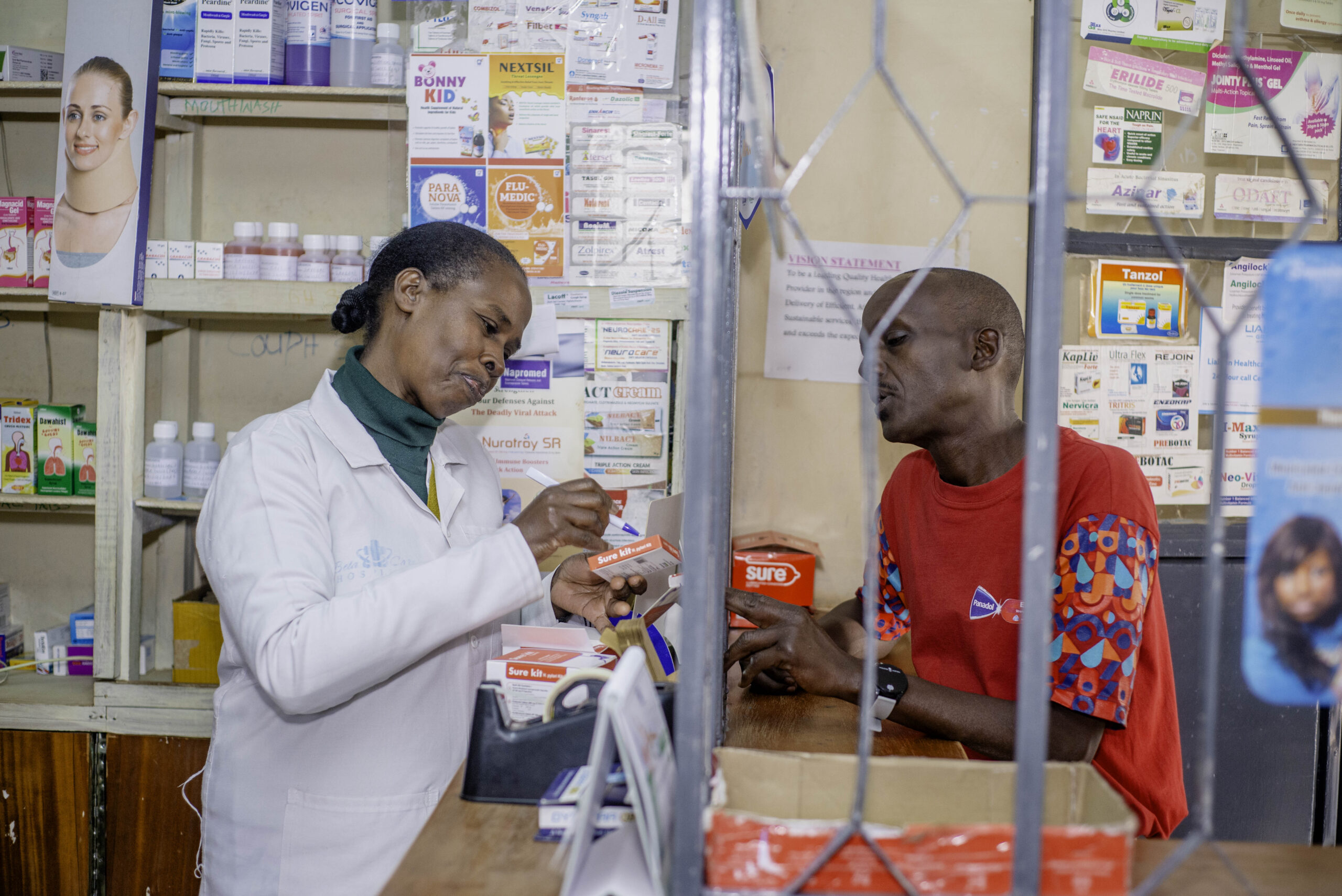
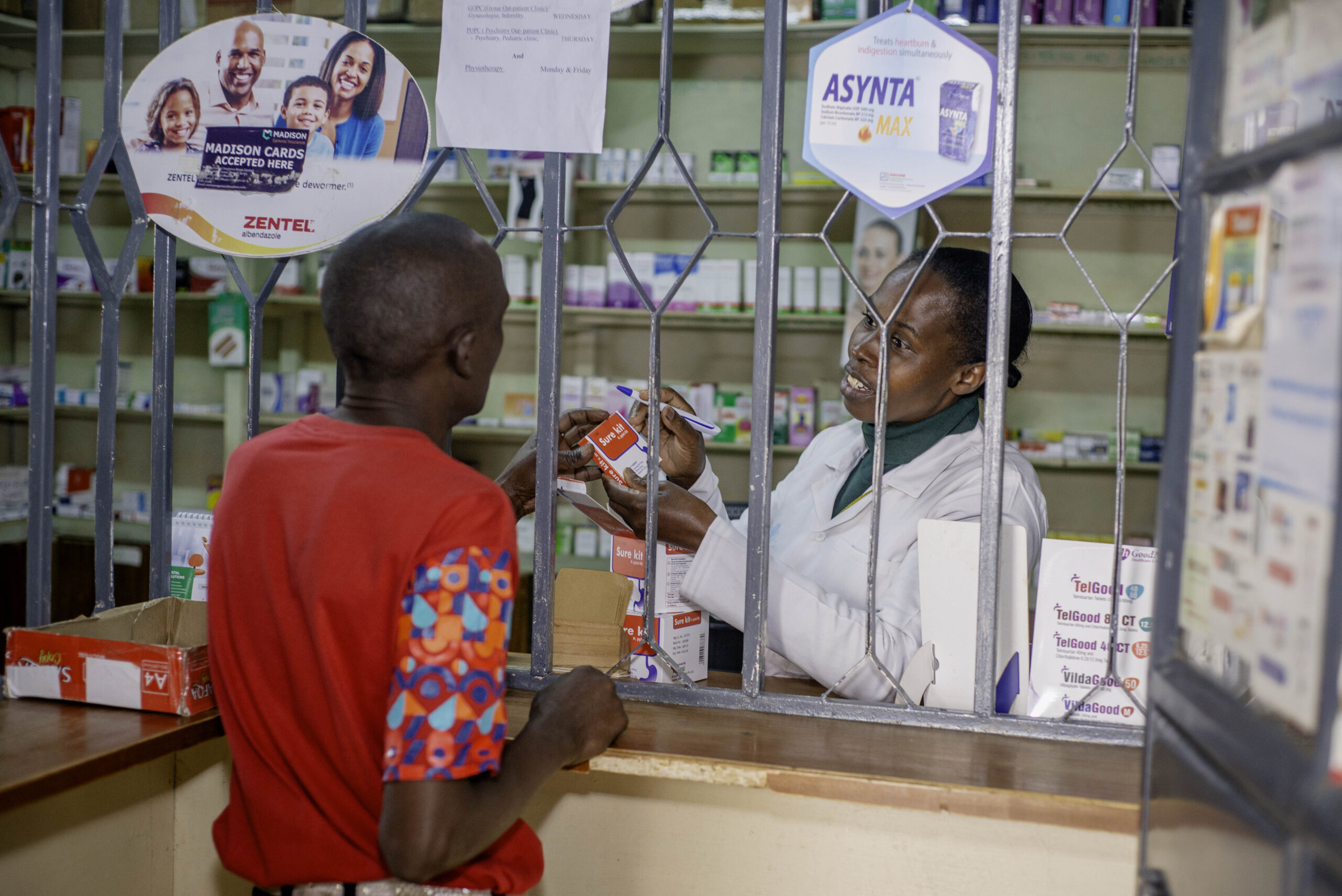
    The MOPC full form most widely used in hospitals and health facilities is Medical Outpatient Clinic. This refers to a clinic that provides ongoing medical consultation, treatment, and follow-up for patients who do not need to be admitted to a hospital ward. Instead of staying overnight, patients visit, see a physician, receive care or a prescription, and go home the same day.

    The term is especially common in hospitals across parts of Africa and Asia, where it typically denotes a specific department dedicated to managing chronic and long-term conditions rather than acute emergencies or one-off illnesses. In the MOPC meaning medical context, the emphasis is on continuity of care — patients are seen repeatedly over time by the same clinic, allowing physicians to track how a condition progresses and adjust treatment accordingly.

    What Is MOPC in Medical Practice?

    An MOPC generally serves as the hospital’s hub for chronic disease and non-communicable disease (NCD) management. Rather than mixing these patients in with the general outpatient department, hospitals set up a dedicated clinic staffed by physicians who focus on long-term monitoring rather than short-term acute care.

    Conditions commonly managed through an MOPC include:

    • Diabetes and other metabolic disorders
    • Hypertension and cardiovascular issues
    • Chronic respiratory conditions, such as asthma or COPD
    • Malaria and other recurring infectious conditions in some regions
    • General chronic ailments requiring regular review, medication adjustment, and monitoring

    Because these conditions require regular check-ins rather than a single visit, the MOPC model helps patients build a relationship with a consistent care team, improves medication adherence, and reduces the risk of complications that come from inconsistent follow-up.

    How an MOPC Clinic Typically Works

    Most Medical Outpatient Clinics run on a scheduled basis, often on specific days of the week, and are staffed by full-time consultant physicians. A typical patient journey looks like this:

    1. Referral or registration: Patients are referred by a general practitioner, or they register directly if their hospital allows walk-in access to the MOPC for known chronic conditions.
    2. Consultation: A physician reviews the patient’s history, checks vital signs, and may order lab tests such as blood sugar or blood pressure monitoring.
    3. Treatment and counseling: Based on the findings, the physician may adjust medication, provide lifestyle counseling, or refer the patient for further tests or specialist input.
    4. Scheduled follow-up: Since chronic conditions require ongoing management, patients are typically booked for a return visit — weekly, monthly, or quarterly depending on the condition’s stability.

    Some hospitals also fold related services into the same clinic, such as basic imaging, a pharmacy, or counseling support, so patients with chronic illnesses can complete most of their care needs in one visit.

    MOPC vs. Other Outpatient Clinics

    It helps to distinguish an MOPC from other specialized outpatient services. While a general outpatient department handles a broad range of walk-in concerns, and specialized clinics (sometimes labeled SOPC, for Specialized Outpatient Clinic) focus on a single medical specialty like surgery or a particular organ system, an MOPC’s defining feature is its focus on chronic, ongoing medical conditions across general internal medicine rather than one narrow specialty. This makes it one of the busiest and most consistently used clinics in many hospitals, since chronic disease management typically requires far more visits over a patient’s lifetime than a single specialist consultation.

    Why Understanding MOPC Matters

    For patients managing a long-term health condition, knowing what an MOPC clinic offers can make navigating the healthcare system much easier. It signals that ongoing, coordinated care is available in one place, rather than needing to explain a condition’s full history at every new appointment. It also helps set expectations: an MOPC visit is rarely a one-time event, and consistent attendance is often key to keeping a chronic condition well controlled.

    Final Thoughts

    At its core, MOPC stands for Medical Outpatient Clinic — a dedicated space within a hospital for the ongoing management of chronic illnesses and non-communicable diseases. Whether you’re managing diabetes, hypertension, a respiratory condition, or another long-term health issue, understanding what an MOPC clinic does can help you make the most of your appointments and stay on top of your care. As always, if a specific hospital uses the term slightly differently, its reception desk or referral letter will have the most accurate, facility-specific answer.

  • SOPC Clinic: What It Means and Why It Matters in Healthcare

    SOPC Clinic: What It Means and Why It Matters in Healthcare

    If you’ve come across the term “SOPC” on a hospital appointment letter, a medical report, or a clinic signboard, you might be wondering what it actually stands for. This article breaks down the SOPC clinic meaning in everyday healthcare settings, and answers the common question, what is SOPC in medical contexts.

    SOPC Full Form and Meaning

    The SOPC full form most commonly used in general healthcare settings is Specialized Outpatient Clinic. As the name suggests, this refers to a clinic within a hospital or medical facility that is dedicated to a particular specialty, rather than general or walk-in care. Patients are typically referred to a specialized outpatient clinic by a general practitioner or another physician once a more specific diagnosis, treatment, or ongoing management plan is needed.

    It’s worth noting that the abbreviation isn’t limited to one single definition.

    • In some healthcare systems, particularly in parts of Europe, SOPC meaning medical literature often points to “Specialized Outpatient Palliative Care” — a structured program that supports patients with serious or life-limiting illnesses outside of a hospital ward, focusing on symptom relief, comfort, and quality of life.
    • In hospital directories, you may also see SOPC used for a “Surgical Outpatient Clinic,” where consultants review patients before and after surgical procedures. The exact meaning usually depends on the country, hospital, or department using it, so it’s always a good idea to check the specific facility’s documentation if you’re unsure.

    What Is SOPC in Medical Practice?

    In practical terms, an SOPC functions as a bridge between primary care and more advanced or specialized treatment. Rather than seeing a general physician for every visit, patients with specific conditions are directed to a clinic staffed by specialists — such as consultants in orthopedics, gynecology, urology, ENT (ear, nose, and throat), cardiology, or oncology — who focus exclusively on their area of expertise.

    This model benefits both patients and healthcare systems. For patients, it means more focused attention, specialized diagnostic tools, and treatment plans tailored to their exact condition. For hospitals, it allows for better allocation of resources, since specialists can concentrate their time and expertise on the cases that genuinely need it, while general outpatient departments handle routine concerns.

    How an SOPC Clinic Typically Works

    Most SOPC clinics operate on an appointment or referral basis rather than a walk-in model. A typical patient journey looks like this:

    1. Referral: A general practitioner, emergency department, or another specialist refers the patient to the appropriate SOPC based on their symptoms or diagnosis.
    2. Scheduling: The clinic schedules an appointment, which may be on specific days of the week depending on when the consultant or specialist team is available.
    3. Consultation: During the visit, the specialist reviews the patient’s history, may order further tests or imaging, and develops or updates a treatment plan.
    4. Follow-up: Depending on the condition, patients may need repeat visits to the same SOPC for monitoring, post-surgical review, or ongoing management of a chronic illness.

    Some hospitals operate multiple SOPCs under one roof, each dedicated to a different specialty, while smaller clinics may run a single SOPC for their most in-demand service, such as surgery or palliative care.

    Why Understanding SOPC Matters

    Healthcare terminology can be confusing, especially when the same abbreviation carries different meanings across regions and institutions. Knowing the general concept behind an SOPC clinic helps patients feel more confident when they receive a referral letter or see the term used in their medical records. It also helps in asking the right questions — for instance, confirming whether an appointment is with a general outpatient department or a specialized one, since this can affect wait times, the tests involved, and the type of care received.

    Final Thoughts

    At its core, SOPC refers to a specialized outpatient service designed to give patients focused, expert-led care outside of a hospital ward. Whether it stands for a Specialized Outpatient Clinic, a Surgical Outpatient Clinic, or Specialized Outpatient Palliative Care in your particular healthcare system, the underlying idea remains the same: connecting patients with the right specialist, at the right time, for more effective and personalized treatment. If you’re ever uncertain about what SOPC means at your specific hospital, the clearest answer will always come from the referral letter or the clinic’s own reception desk, since definitions can vary from one institution to the next.

  • Is Perioperative Theatre Technology Marketable in Kenya?

    Is Perioperative Theatre Technology Marketable in Kenya?

    Kenya’s healthcare sector is expanding rapidly, and with it comes a growing appetite for skilled professionals who can keep operating theatres running safely and efficiently. Certificate in Perioperative theatre technology — the discipline covering the technical, equipment-based, and support aspects of surgical care before, during, and after an operation — sits right at the center of this growth. For anyone weighing a career in the field, the short answer is yes: it is marketable, and increasingly so.

    What the role actually involves

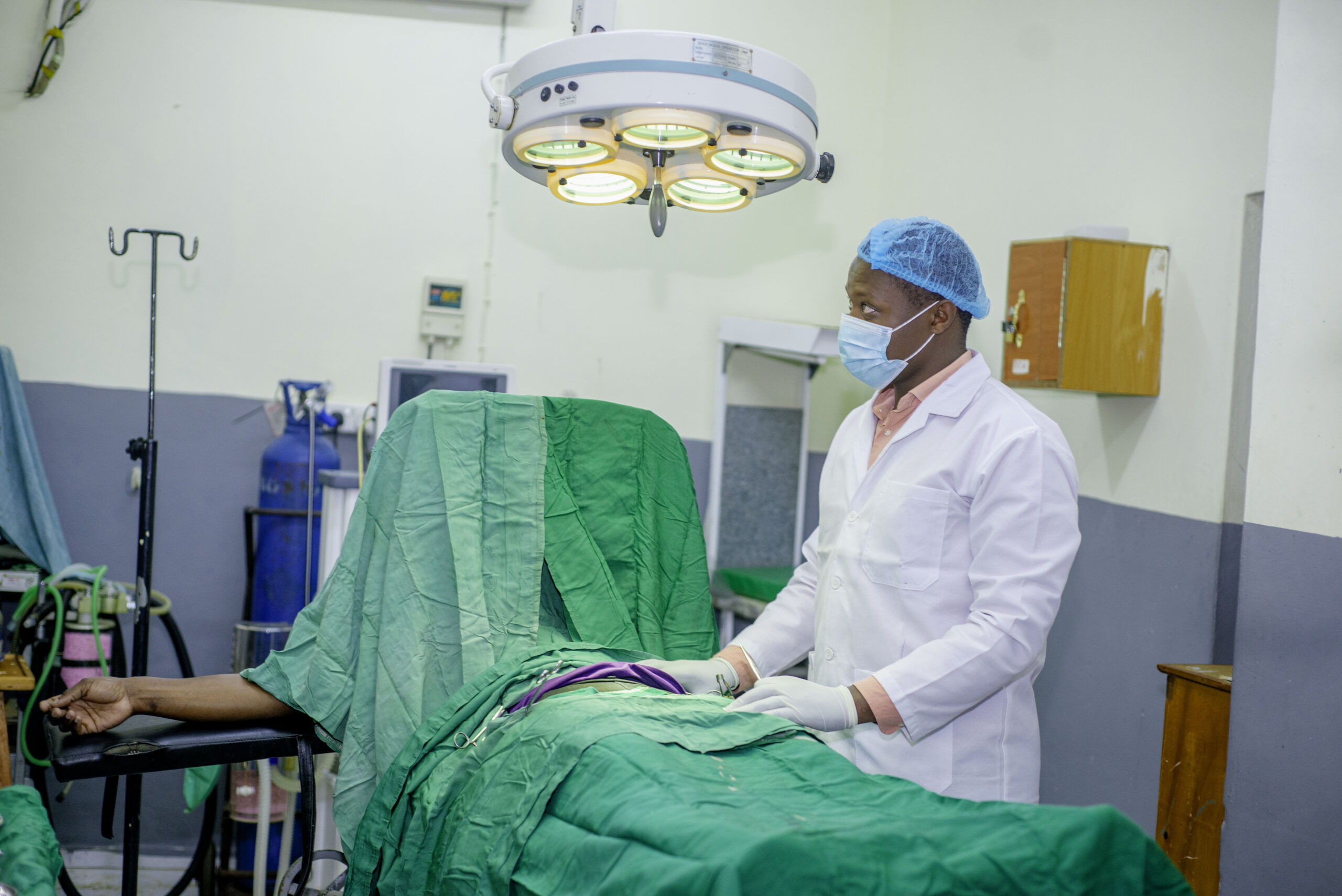
    A perioperative theatre technologist manages surgical instruments, maintains sterile environments, assists surgeons and anaesthetists during procedures, and helps ensure patient safety from the moment a patient enters theatre to the moment they leave. The field deals with technical, equipment-based, and support aspects of surgical care before, during, and after an operation, specifically within the operating theatre environment. In Kenya, training typically takes the form of a diploma, which usually lasts about two years and combines theoretical knowledge with hands-on practical training, and is examined and accredited nationally, opening the door to work as a theatre technologist or surgical assistant in hospitals, trauma units, and teaching hospitals.

    Why demand is rising

    Several structural forces are pushing demand for theatre technologists upward:

    Hospital infrastructure is modernizing. Kenya’s Managed Equipment Service (MES) project and broader Vision 2030 health goals are driving the rehabilitation and re-equipping of public hospitals, many of which have historically lacked basic theatre equipment. As county referral hospitals and teaching hospitals bring modern operating suites online — complete with laparoscopic units, integrated monitors, and telemedicine-linked theatres — they need trained staff who understand how to operate and maintain that equipment, not just doctors who can use it. Kenyatta University Teaching, Referral and Research Hospital, for instance, runs eight theatres covering general, maternity, laparoscopic, and cardiac surgery, each requiring technologists comfortable with advanced instrumentation and sterilisation systems.

    The medical devices market itself is growing. Kenya has been ranked the fastest-growing medical device market in Sub-Saharan Africa, with the market expected to grow at a compound annual rate of around 8-9% and reach roughly $198 million by 2026. Regional trade ties through COMESA and the East African Community, along with tax incentives, have made the country attractive to device manufacturers and suppliers. A market that large needs people on the ground who can install, run, and troubleshoot the equipment it delivers.

    Every county needs surgical capacity. With devolved healthcare, all 47 counties now operate surgical facilities that require theatre technologists, meaning employment opportunities exist nationwide rather than being concentrated only in Nairobi. This geographic spread is a real advantage for graduates who are willing to work outside major cities.

    Private and faith-based hospitals are competing on equipment quality. Private hospital groups in Kenya place strong emphasis on high-end branded equipment and have invested heavily in the latest, most expensive medical devices, which raises the bar for the technical skill needed to run modern theatres — and correspondingly raises the value of well-trained technologists.

    The challenges worth knowing about

    Marketability doesn’t mean the path is without friction. Public hospitals still face equipment gaps, and procurement can be slow and donor-dependent. Salaries, while competitive relative to many entry-level healthcare roles, still trail those of nurses or clinical officers with equivalent experience in some facilities. And because the profession is relatively young in Kenya compared to nursing or clinical medicine, awareness among employers and even patients of exactly what a theatre technologist does can be limited, which sometimes means graduates have to actively explain and prove their value in interviews.

    The verdict

    On balance, perioperative theatre technology is a genuinely marketable field in Kenya right now. It sits at the intersection of two strong growth trends — expanding surgical infrastructure and a booming medical device market — while remaining under-supplied relative to demand, especially outside Nairobi. Graduates who pair their clinical training with genuine comfort around equipment (sterilisation systems, laparoscopic units, anaesthesia machines, patient monitors) will find themselves well placed, whether they aim to work in a county hospital, a private facility, or eventually abroad, since Kenyan theatre technology training is increasingly recognised internationally.

  • Assisted Living Facilities in Kenya: A Growing Necessity

    Kenya’s population is aging, and with it comes a quiet but significant shift in how families think about caring for their elderly relatives. Traditionally, care for older adults in Kenya has rested squarely on the shoulders of family members, particularly daughters and daughters-in-law, as part of a deeply rooted cultural expectation of multigenerational support. However, urbanization, smaller family sizes, migration for work, and the demands of modern life have made it increasingly difficult for many families to provide round-the-clock care at home. This has fueled the emergence and growth of assisted living facilities and elder care homes across the country.

    What Assisted Living Looks Like in Kenya

    Assisted living in Kenya spans a spectrum of care models. On one end are charitable, faith-based, or community-run homes that primarily serve elderly individuals who are destitute, abandoned, or without close family. These institutions, some dating back decades, rely heavily on donations and volunteer support to provide shelter, meals, and basic medical attention. On the other end of the spectrum are private, fee-based retirement homes that cater to families who can afford more premium services, offering furnished private suites, structured daily activities, medical staff on call, and amenities such as gardens, dining halls, and recreational spaces.

    Between these two poles sits a growing middle tier of facilities offering tailored care packages, including day care programs for seniors whose families are busy during working hours, short-term respite care for those recovering from hospitalization, and specialized memory care for residents living with dementia or Alzheimer’s disease. Many private facilities are concentrated around Nairobi and its suburbs, such as Karen, Kiambu, and Kikuyu, though homes for the aged can be found in various counties across the country.

    Why the Demand Is Rising

    Several factors are driving the growth of assisted living services in Kenya. First, life expectancy has been rising steadily, meaning more Kenyans are living into their seventies, eighties, and beyond, often with chronic conditions that require ongoing medical attention. Second, the traditional extended family safety net is weakening in urban areas as adult children relocate for work, sometimes abroad, leaving aging parents without a consistent in-home caregiver. Third, there is growing awareness that professional caregiving, when done well, can improve quality of life for seniors far more than well-meaning but untrained family care.

    This has also created demand not just for residential facilities, but for trained home-based caregivers and patient attendants who can support elderly or ill family members within their own homes, an option many families prefer since it allows loved ones to remain in familiar surroundings while still receiving professional support.

    The Role of Trained Caregivers

    Whether a family chooses a residential facility or in-home care, the quality of that care depends heavily on the training and competence of the caregivers involved. Tasks such as medication management, mobility assistance, wound care, feeding support for residents with swallowing difficulties, and recognizing early warning signs of medical distress all require proper training, not just goodwill.

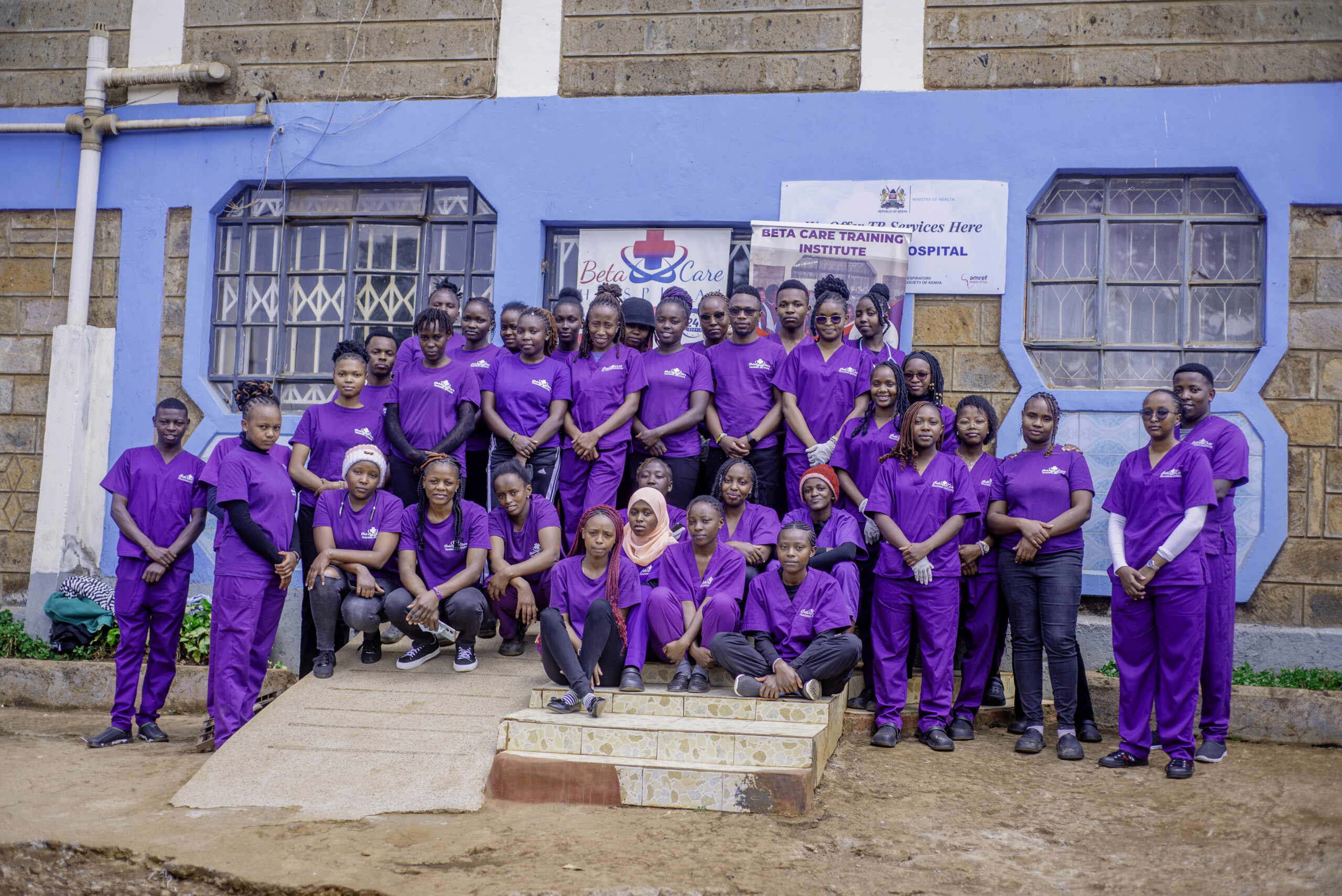
    This is where institutions like Beta Care Training Institute play an important role. Beta Care Training Institute is recognized as a top trainer of caregivers and patient attendants in Kenya, preparing professionals to competently support elderly clients, patients recovering from illness or surgery, and individuals with disabilities, whether in a home setting, a hospital, or a residential care facility. For families who prefer to keep a loved one at home rather than move them into a facility, sourcing a caregiver trained by an institution such as Beta Care can offer real peace of mind, since it means the person providing daily support has been equipped with practical skills in areas like basic nursing care, hygiene assistance, safe patient handling, and emergency response.

    Choosing the Right Option

    Families evaluating assisted living options in Kenya are generally advised to consider a few key factors:

    • Level of care needed: Some seniors need only companionship and help with light daily tasks, while others require full nursing-level support.
    • Location and accessibility: Proximity to family allows for regular visits, which matters greatly for a resident’s emotional wellbeing.
    • Reputation and staff qualifications: Visiting a facility in person, speaking with current families, and asking about staff training credentials can reveal a lot about the quality of care provided.
    • Cost structure: Fees vary widely, from free charitable homes to premium private facilities charging substantial monthly rates, so families should clarify what is included before committing.
    • Home-based alternatives: For those unwilling or unable to relocate an elderly relative, hiring a professionally trained caregiver or patient attendant to provide care at home remains a flexible and often more affordable option.

    Looking Ahead

    As Kenya’s elderly population continues to grow, the assisted living sector is likely to expand and professionalize further. This will mean more regulatory attention, more diverse care options, and increasing importance placed on proper caregiver training. Institutions offering structured, credentialed training for caregivers and patient attendants will remain central to ensuring that whether an elderly or ill loved one is cared for in a residential facility or within the comfort of their own home, they receive support from someone genuinely equipped for the job.

    For many Kenyan families navigating this transition, the goal remains the same: ensuring their aging parents and relatives live with dignity, safety, and compassion, wherever that care ultimately takes place.