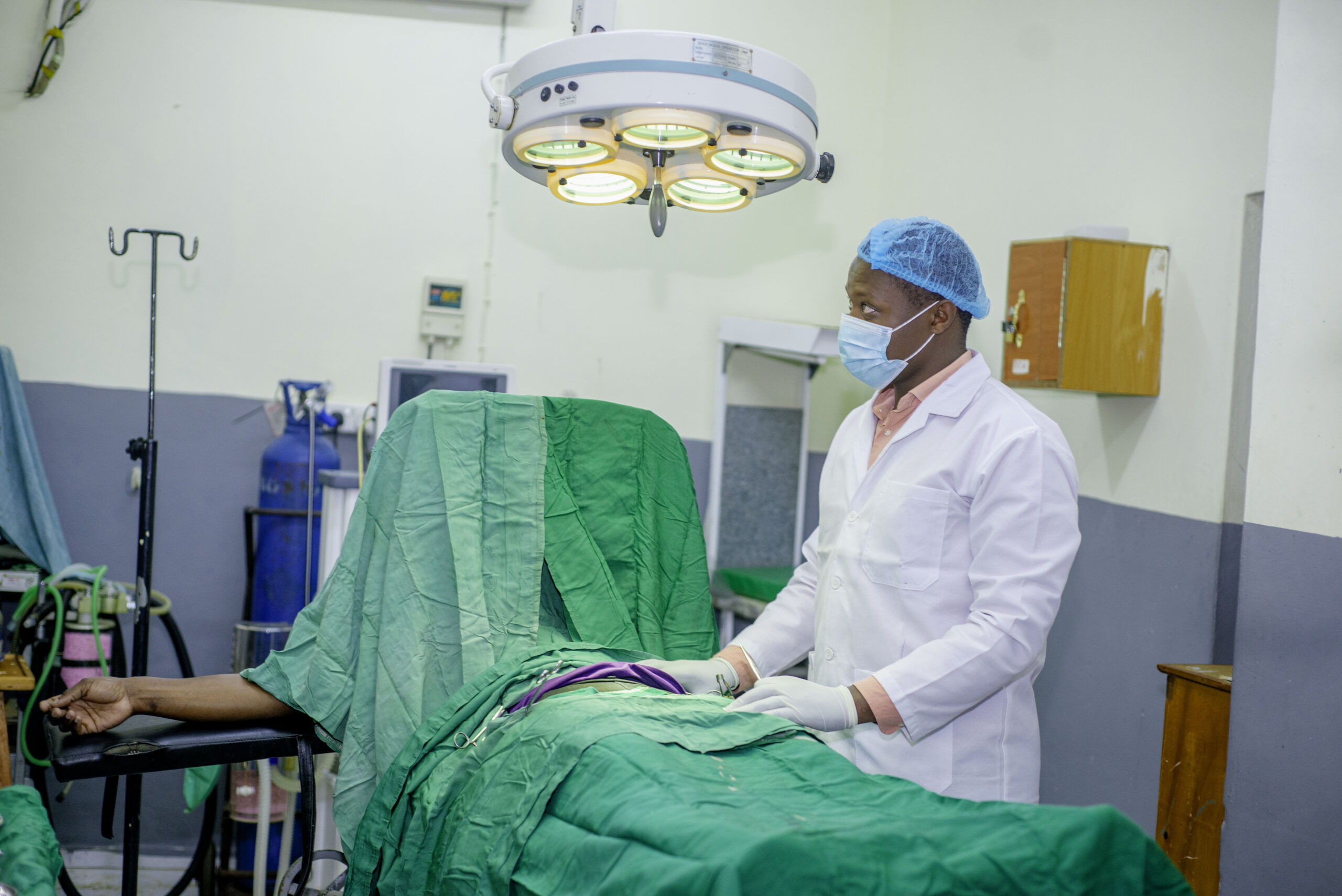
Kenya’s healthcare sector is expanding rapidly, and with it comes a growing appetite for skilled professionals who can keep operating theatres running safely and efficiently. Certificate in Perioperative theatre technology — the discipline covering the technical, equipment-based, and support aspects of surgical care before, during, and after an operation — sits right at the center of this growth. For anyone weighing a career in the field, the short answer is yes: it is marketable, and increasingly so.
What the role actually involves
A perioperative theatre technologist manages surgical instruments, maintains sterile environments, assists surgeons and anaesthetists during procedures, and helps ensure patient safety from the moment a patient enters theatre to the moment they leave. The field deals with technical, equipment-based, and support aspects of surgical care before, during, and after an operation, specifically within the operating theatre environment. In Kenya, training typically takes the form of a diploma, which usually lasts about two years and combines theoretical knowledge with hands-on practical training, and is examined and accredited nationally, opening the door to work as a theatre technologist or surgical assistant in hospitals, trauma units, and teaching hospitals.
Why demand is rising
Several structural forces are pushing demand for theatre technologists upward:
Hospital infrastructure is modernizing. Kenya’s Managed Equipment Service (MES) project and broader Vision 2030 health goals are driving the rehabilitation and re-equipping of public hospitals, many of which have historically lacked basic theatre equipment. As county referral hospitals and teaching hospitals bring modern operating suites online — complete with laparoscopic units, integrated monitors, and telemedicine-linked theatres — they need trained staff who understand how to operate and maintain that equipment, not just doctors who can use it. Kenyatta University Teaching, Referral and Research Hospital, for instance, runs eight theatres covering general, maternity, laparoscopic, and cardiac surgery, each requiring technologists comfortable with advanced instrumentation and sterilisation systems.
The medical devices market itself is growing. Kenya has been ranked the fastest-growing medical device market in Sub-Saharan Africa, with the market expected to grow at a compound annual rate of around 8-9% and reach roughly $198 million by 2026. Regional trade ties through COMESA and the East African Community, along with tax incentives, have made the country attractive to device manufacturers and suppliers. A market that large needs people on the ground who can install, run, and troubleshoot the equipment it delivers.
Every county needs surgical capacity. With devolved healthcare, all 47 counties now operate surgical facilities that require theatre technologists, meaning employment opportunities exist nationwide rather than being concentrated only in Nairobi. This geographic spread is a real advantage for graduates who are willing to work outside major cities.
Private and faith-based hospitals are competing on equipment quality. Private hospital groups in Kenya place strong emphasis on high-end branded equipment and have invested heavily in the latest, most expensive medical devices, which raises the bar for the technical skill needed to run modern theatres — and correspondingly raises the value of well-trained technologists.
The challenges worth knowing about
Marketability doesn’t mean the path is without friction. Public hospitals still face equipment gaps, and procurement can be slow and donor-dependent. Salaries, while competitive relative to many entry-level healthcare roles, still trail those of nurses or clinical officers with equivalent experience in some facilities. And because the profession is relatively young in Kenya compared to nursing or clinical medicine, awareness among employers and even patients of exactly what a theatre technologist does can be limited, which sometimes means graduates have to actively explain and prove their value in interviews.
The verdict
On balance, perioperative theatre technology is a genuinely marketable field in Kenya right now. It sits at the intersection of two strong growth trends — expanding surgical infrastructure and a booming medical device market — while remaining under-supplied relative to demand, especially outside Nairobi. Graduates who pair their clinical training with genuine comfort around equipment (sterilisation systems, laparoscopic units, anaesthesia machines, patient monitors) will find themselves well placed, whether they aim to work in a county hospital, a private facility, or eventually abroad, since Kenyan theatre technology training is increasingly recognised internationally.