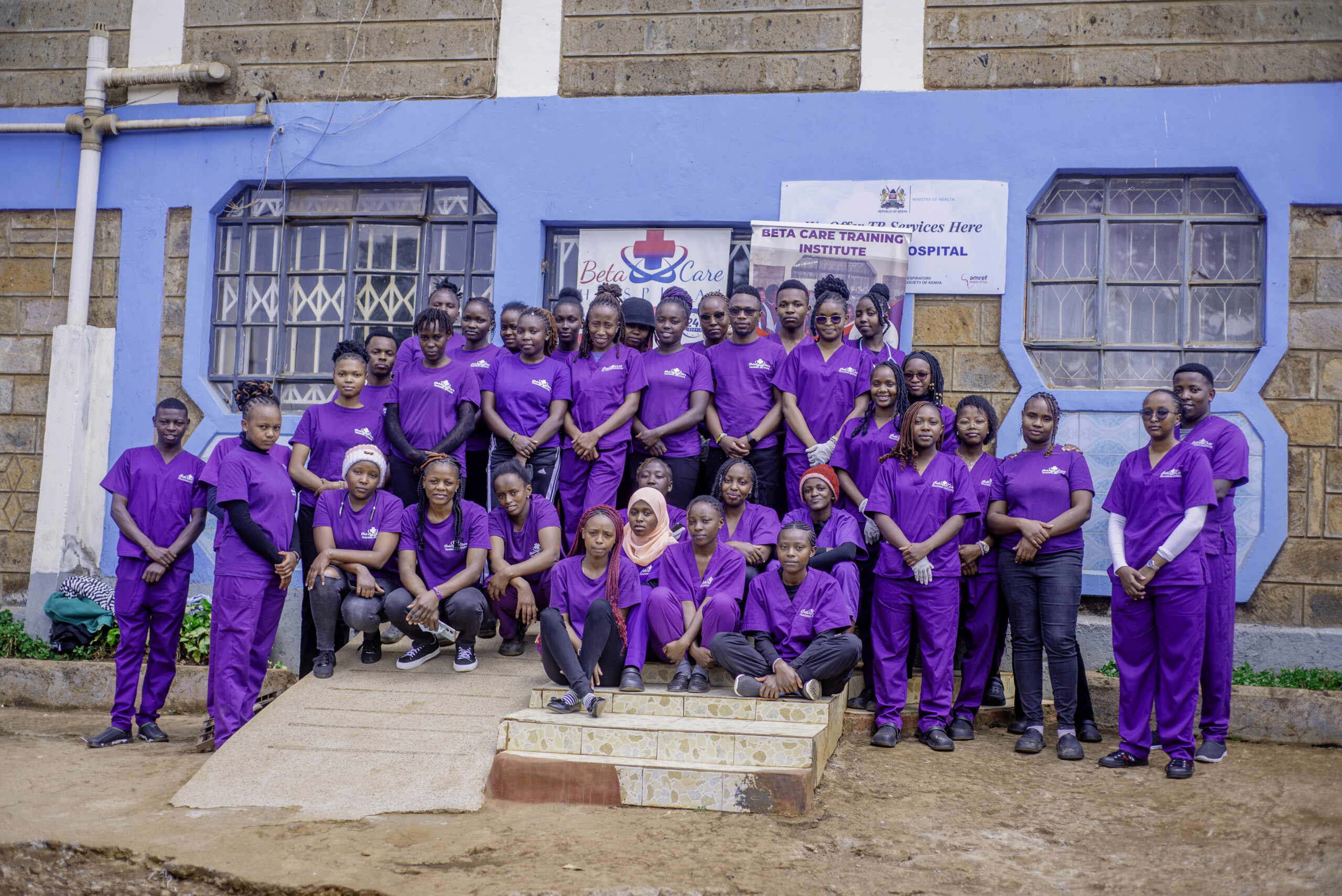
Kenya’s healthcare system relies heavily on community-level workers who bridge the gap between hospitals and the households they serve. Among these roles, the Community Health Assistant (CHA) has become one of the most important — and increasingly formalized — positions in the country’s public health structure. If you’re considering a career in this field, here’s what you need to know about the role, the qualifications required, and where the opportunities lie.
What Does a Community Health Assistant Do?
A Community Health Assistant works at the frontline of Kenya’s health system, usually attached to a dispensary, health center, or sub-county health office. Their job is to supervise and support Community Health Promoters (CHPs) — the volunteers who visit households directly — while also delivering health education, disease prevention services, and basic primary care within their assigned community units.
Typical responsibilities include:
- Health promotion and education — teaching families about hygiene, nutrition, family planning, and disease prevention.
- Community mobilization — organizing outreach activities, immunization drives, and health campaigns.
- Data management and reporting — collecting and compiling health data from community units and reporting to the sub-county health team.
- Supervision — mentoring and supporting Community Health Promoters in their day-to-day work.
- Referral coordination — linking community members to the nearest health facility for further treatment when needed.
CHAs essentially act as the link connecting formal healthcare facilities to the community-based health workforce, making them central to Kenya’s primary healthcare strategy.
Qualifications and Requirements
Entry requirements for CHA positions vary slightly depending on the employer — whether it’s a county government, an NGO, or a private health organization — but common requirements include
- Diploma or Certificate in Community Health, Community Health Nursing, Nutrition, Psychology, Environmental Health, Counseling, Social Work, or Community Development
- Many postings also ask for a certificate in computer applications, given the growing use of digital data systems in community health reporting.
For county government positions specifically, some grades accept
- Diploma in fields such as Community Health Nursing or related community health disciplines, alongside Kenyan citizenship as a baseline requirement.
- Entry-level grades are often described as training positions where the officer works under the guidance of a more senior staff member, which means fresh diploma holders do have a realistic path into the profession.
Beyond academic qualifications, employers typically look for:
- Strong communication and interpersonal skills, since the job involves constant interaction with diverse community members.
- Willingness to work in rural or underserved areas, sometimes with significant travel.
- Basic computer literacy for data entry and reporting.
- A demonstrated commitment to public health and community service.
Who Is Hiring?
CHA roles in Kenya come from three main sources:
- County governments — Since health service devolution, counties are the largest employers of community health staff, running structured grades from entry-level assistants up to senior officers.
- NGOs and international organizations — Groups such as the International Rescue Committee and various maternal and child health programs regularly hire CHAs, often on project-based or locum contracts, especially in counties with high need such as Homa Bay and other western regions.
- Private hospitals and clinics — Some private healthcare providers hire CHAs to support outreach and community engagement linked to their facilities.
Pay and Career Progression
Salaries for community health roles in Kenya vary widely depending on the employer and grade, ranging from entry-level government pay scales to considerably higher NGO project salaries for experienced staff. County government roles typically follow structured public service pay grades, while NGO positions — particularly those tied to donor-funded health programs — can offer more competitive packages, especially for candidates with additional public health training or several years of field experience.
Career progression is a real feature of this path. Many CHAs advance to Community Health Officer positions, and with further study — a degree in public health, nursing, or a related field — some move into supervisory, program management, or policy roles within county health departments or national health initiatives.
Why This Career Matters
Kenya’s community health strategy places enormous weight on prevention and early intervention, especially in areas where access to hospitals is limited. CHAs are often the most consistent point of contact between the health system and rural or low-income households. For someone drawn to public service, this role offers not just employment but a tangible way to reduce preventable illness and improve health outcomes at the grassroots level.
For those with the right diploma and a genuine interest in community work, the CHA pathway remains one of the more accessible entry points into Kenya’s health sector — with room to grow into broader public health careers over time.